
 LNLAdmin
London’s creative spaces disappearing one by one is slowly killing something that can’t be replaced.
London’s night has always run on a fault line. A crack in the street lamps, a riff of bass from a basement, the scent of frying onions and something else you can’t name, curling up from a late-night kebab joint. Dusk slips into the city like a neon tide and you feel, instantly, the potential: tonight could be the one where your path brushes with someone electric, the moment you forget to check your phone and start to actually listen. Then you step into the maze and, abruptly, you’re reminded why the hunt is a sport in London: the door policy, the price of a toast, the wary eye of someone who has learned not to look twice at strangers. The city teases you with possibility and receipts you with reality—the way a railway arch goes quiet when a new block of flats starts to glow in the window, the way a bar fades when the rent shutters come down.
The Hook
Dusk lands with a hiss and a chorus of street food sizzle. The air tastes like a passport stamp and a dare: tonight is yours if you want to chase it. You slide into the first bite of the night—smoked harissa hummus, a jar of pickled peppers, a glass of something tart and alive. The fit is right, the shoes click the pavement in time with your pulse, and you feel the city lean in. Then you catch the drift: this evening could be the one where you finally strike a match with someone who makes your words catch fire. But the reality is less screenplay and more a waiting room: queues that eat into your patience, a door policy that weighs your mood, a tab that climbs like a skyline. The night promises discovery, then tests your stamina with overpriced cocktails, the flurry of messages that disappear, the casual cruelty of misreads at a crowded bar. Welcome to the modern maze of connection, where a spark can feel like a mirage and a kiss can cost the price of a small moon.
The Culinary & Cocktails Warm-Up
Before the neon avalanche, London’s stomach does its own pre-game. Tiny kitchens glow behind frosted glass, natural wine bars grape the air with a vine-dark perfume, and the first conversations begin as people cross paths over shared plates. East and Central London still carry the recipe book of the old nights—the late-night falafel pit that knows your order by heart, the bistro with shelves of old vinyl and a bartender who knows exactly when to nod you into a private joke, the dimly lit room where the walls hum with quiet confidence. Here, the flirting isn’t loud; it’s a heat gathering in corners: a glance that lingers a second too long, a hand brushing a sleeve, a laugh that does its own slow clap. It’s the warm-up you need when the city starts to press in, because in these spaces you learn the rhythm of connection: the micro-second of eye contact, the breath you share over a plate of charred cabbage and a chorus of clinking glasses, the awareness that the night can tilt in your favour if you ride its tempo rather than resist it.
The Nightlife Sanctuary & The Flirting Floor
Then the night lifts into the actual party—the sanctuary and the floor where people flirt the night into shape. The mainstream clubs are vast, sterile: a cathedral of equal parts bass drop and badge-checks, where the air tastes like manufactured stardust and every drink arrives in a plastic smile. But the real alchemy lives elsewhere: the sweaty basement where the bass feels like a pulse in your own chest, the intimate listening bar that treats conversation like a delicate instrument, the pub garden that smells of rain and hot concrete and the secret longing you only admit when your shoulders brush someone else’s as you sway in the dim glow of fairy lights. In these pockets, the energy isn’t about spectacle; it’s about chemistry. People lock eyes across a crowded room and you sense the freight of a thousand stories passing between you in a single nod. The energy thickens, and with it, the chance to be seen for who you are when you’re not trying so hard. The tension becomes a living thing—breathing between you and the person next to you who also believes in the night’s stubborn magic.
The other side of the floor is the danger zone of burnout: the drift of everything toward a performance, the fear that romance has become a carefully curated highlight reel. Cocktails cost as if you’re paying for a memory you haven’t earned yet; dates arrive with the same predictable script: a text in the morning asking if you had fun, a private joke already archived before you’ve fully traded first impressions. Yet the city keeps offering its irregulars—the basement Bar where the DJ doesn’t forget your name, the kitchen window of a late-night snack spot where a stranger asks you what you’re listening to and actually wants to hear your answer, the park edge where the pub closes and two strangers decide to keep dancing in the rain anyway. In those moments you understand why the city keeps insisting on romance, even when the economics and the door policies conspire to drain the site of its warmth. It’s not just a nightlife; it’s a ritual that tests your nerve and blesses your courage to reach out past your own screens and past your own tiredness.
The Resolution
Is London nightlife getting too sterile and expensive, or is the wild flame still alive, stubborn and improvisational? Here’s the truth in a single breath: the exchange rate of the night is not just pounds and pints but attention. And attention—the kind you give and receive without apology—has become the rarest currency in a city that can price joy by the hour. Yet the late-night streets insist on offering a counter-narrative. They remind you that every arch you pass under might be the doorway to a memory you’ll tell later with the same mischievous grin you used to wear in your youth. The missions aren’t over; they’ve just moved to different rooms, different bars that know how to protect their magic while still letting it spill into the street. The survival manual isn’t a list of tips; it’s a posture: stay curious, stay generous, stay stubborn about finding rooms where people actually talk, where flirtation isn’t a show but a conversation that you carry back into the dawn.
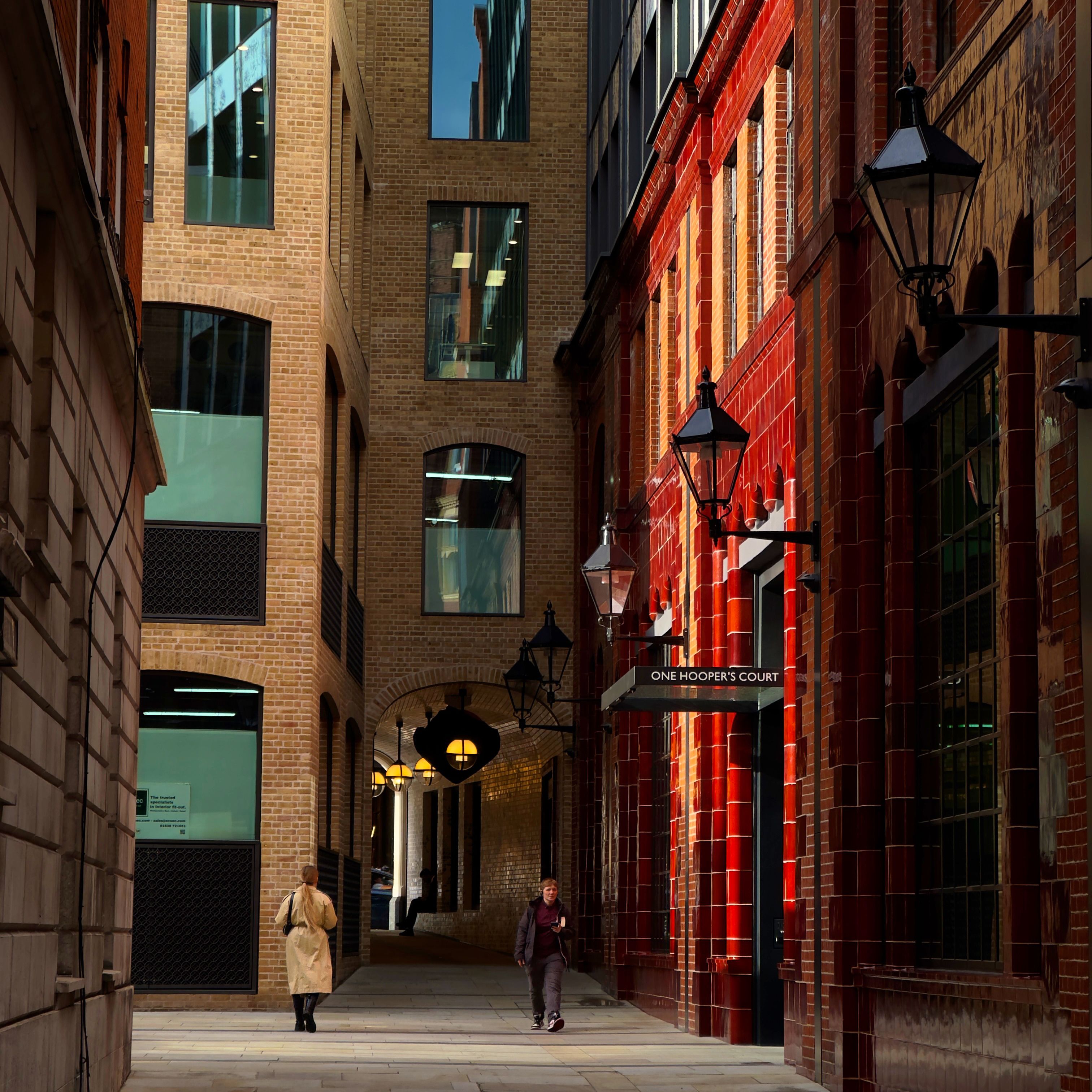
London’s nocturnal heartbeat isn’t fading; it’s evolving. The city is losing some of its old, beloved spaces to bricks and rent, yes, but it’s also folding new ones into the night’s map—micro-venues tucked in basements, late-night pop-ups with doors that forget to close, and pockets of communal warmth where the ritual of meeting someone still happens in real time. The magic isn’t guaranteed; you earn it with patience, with a willingness to check the corner shop for a snack that tastes like a late-night decision, with the courage to step a little closer when a conversation starts to spark. If you want to survive and thrive in London’s nightlife, you learn to listen to the city in more ways than one: listen for the door that opens to a space you didn’t know you needed, listen for the chorus of a shared meal that becomes a memory, listen for that moment when two strangers decide to stay out a little longer and let the night teach them how to flirt again without filters.
In the end, the city’s social spirit doesn’t die with the last late train; it mutates, hums, and shifts across the city’s harder corners. It will survive in the places that still squeeze a human connection out of a crowded room, a conversation that refuses to end at a clever opener, and a kiss that happens when the music has finally given you permission to be unguarded. London’s nightlife remains unpredictable, expensive, and gloriously messy—precisely what makes it worth chasing. The last chapter may feel written in heavier ink, but the next page is always worth turning, because the night—like London itself—refuses to surrender its capacity for feeling, for laughing, and for meeting someone incredible when you stop checking your phone and start listening to the city breathe.
So if you’re stepping into the next round of the night, wear your curiosity like a coat and your generosity like a blessing. The city will reward you, not with a guarantee, but with a story you’ll want to tell at 2:00 a.m. in a corner of Soho, on a corner of Peckham, or wherever the night refuses to go to bed. And that, perhaps more than anything, is the truth: London’s creative pulse isn’t dying; it’s learning to dance in the margins, and the margins are where we find each other.
0 Comment