
 LNLAdmin
Help us build an app to help save the nightlife scene!
Title: Nightmares at Nightfall: Berkshire’s Nightlife, Nostalgia, and the Price of Progress
Hook
Picture this: a Berkshire postcard at dusk—the river gliding past grazed banks, church spires catching the last gold of the sun, and a riverfront promenade that feels like a private theatre for the quiet drama of everyday life. A 30-minute sprint from Paddington, and you’re lounging in a gastro-pub with a michelin sheen, the Elizabeth Line singing your name as you slip into a night that doesn’t really begin until the pubs glow. The illusion is seductive: a tranquil Home Counties idyll, an easy hinge to London’s heartbeat. And then comes the other truth, the one you feel more with your lungs than your lips—gridlocked roundabouts, apartments that sprout like mushrooms after rain, and the air that tastes faintly of diesel and ambition.
The Berkshire paradox isn’t a paradox so much as a pressure valve. The river towns are busy turning into something that feels louder, denser, more urban, even as the green belt still pretends to be the limit. The night-life that your social feeds promise—Nightflare, a bold bid to stitch together parties, clubs, and underground raves—lands in a landscape already tangled with the electricity of progress and the friction of change. So we ask: can Nightflare save a scene that’s already being rewritten by the very ease of getting to London? And what does that vow mean when the price of progress is paid in the breath of the air and the price of a home?
The Commuter Gold Rush
Berkshire’s pull isn’t a mystery. It’s a map drawn with fast-track lines. The Great Western Railway and the Elizabeth Line aren’t just trains; they’re a lifeline that flips a weekend into a weekday and a village into a destination. The easy ride into London’s core makes even the quietest towns feel like staging posts for a grander life, an upgrade to a life designed around work, after-work, and the after-after-work that somehow blends both. The cachet of “30 minutes to the city” isn’t a luxury; it’s a magnet. The commute isn’t merely a commute; it’s a catalyst for population flows, a guarantee that places once considered sleepy will wake up to a new kind of demand.
The result is a skyline of contradictions—new housing shoots up around railway arches, while the margins of old streets still hum with a century of local lore. The market towns of Wokingham, Maidenhead, Henley, and the like become lab-like canvases for density: mews converted into flats, former mills reborn as chic riverfront blocks, and the green belt signed in pencil against blue-sky optimism. The numbers are telling you a story that isn’t entirely comfortable: more people, more cars, more demand for schools, GP surgeries, and parking spaces in a county that once measured its growth in rivers and inches of green.
The Local Friction & Environmental Cost
With density comes friction, and with friction comes a cost that isn’t always tallied in pen and ink. The Berkshire mystique—the sense that you can have rural reverie and urban access—begins to feel like a delicate balance sheet. Property prices soar, and the very word “local” starts to carry a price tag. Born-and-bred residents, many of them with generations of primary schools and parish councils in their family histories, find themselves negotiating a kind of cultural boundary as more London movers arrive. The bargain at the kitchen table becomes less about “good schools” and more about “can we stay here?”
Then there’s the environmental cost, the oxygen that gets thinner when transit corridors buzz with steel and diesel. The A4 and M4 corridors, once the scenic byways of weekend escapes, turn into lungs that flutter under pressure. Air quality reports become as much a part of the local gossip as the latest reopening of a gastropub with a Michelin seal. The green belt—already a contested concept in the pages of council plans—gets reimagined as a battleground where density, nature, and nostalgia fight for space. You can hear the friction in café conversations over flat whites and flat-out realities: where do you put a new school? a new hospital? a new underground club that isn’t a chain?
The Nightlife Dilemma and Nightflare’s Promise
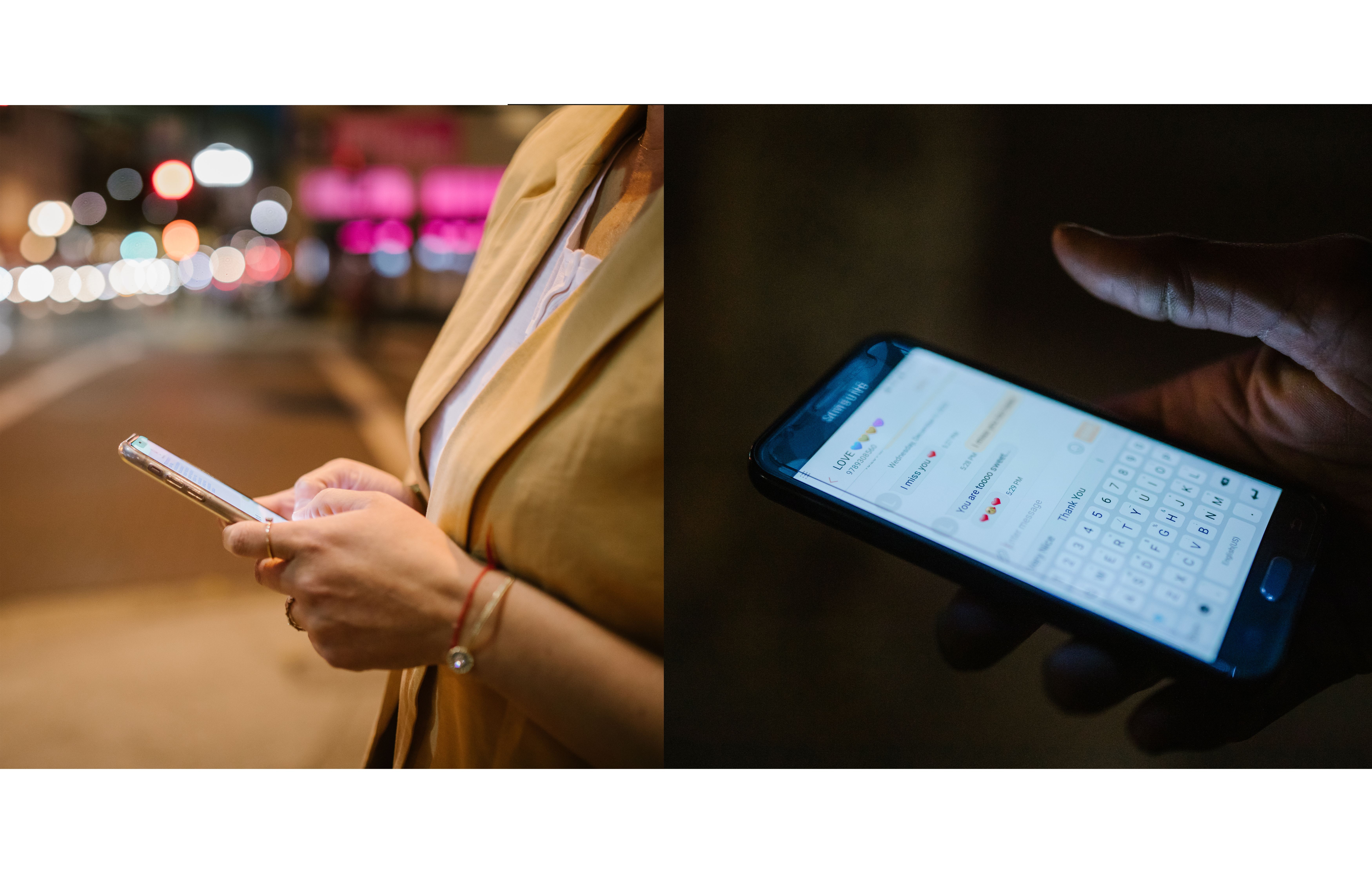
Into this charged atmosphere steps Nightflare, a bold, bright idea pitched as a lifeline for a nightlife that seems to be losing its bite while London’s orbit expands. The pitch is simple enough: one tap to rally friends, to organize, to discover. It’s an antidote to the hollowed-out club scene, a way to pull real people into real rooms, away from sterile chains toward the pulse of independent venues that survive—barely—on the edge of extinction. It’s a movement wrapped in optimism and tech: test groups, beta tests, feedback loops. The language is infectious—“Let’s save the nightlife by having fun together,” a carefree banner that feels almost naive in the face of electoral cycles of planning permission and the price of property.
Yet the Berkshire reality is stubborn. The same infrastructure that makes a Nightflare dream plausible—the rail links, the urban fringe’s appetite for late-night culture—also amplifies the pressures that threaten the same venues those late-night itineraries would feed. A club’s life is not only a nightlife promise; it’s a social engine for a district negotiating identity and affordability. The Nightflare model leans on a paradox: it relies on growing density to sustain a scene that thrives on intimate, independent spaces. If density climbs too quickly, those spaces face rent hikes and consumer fatigue; if density lags, the act of drawing groups into a night out feels like preaching to a shrinking audience.
Are Berkshire towns becoming soulless satellite suburbs of Greater London, or can they become something new—hybrid hubs that channel London’s energy without surrendering their own rhythm? Nightflare wants to be a sunlit bridge, a conduit that could help independent venues survive the squeeze by keeping their rooms busy, their calendars crowded, and their stories alive. But the blueprint will need more than a clever app; it needs a shared culture, a town-by-town willingness to invest in local venues, and a community that resists the short-term lure of glass-and-steel chains in favour of the long, stubborn romance of a night-time economy that belongs to the place as much as to the people who inhabit it.
The Resolution
The Berkshire of 2026 isn’t a straight line toward “Greater London-lite.” It’s a ledger of compromises, a mosaic of places that are simultaneously cherished for their riverside peace and challenged by the gravity of expansion. Nightflare, at its best, is a mirror and a magnifier: it reflects a growing appetite for communal experiences and magnifies the fragility of the venues that power those experiences. The question isn’t just whether an app can “save” nightlife; it’s whether the towns can save the conditions that make nightlife meaningful in the first place.
What would a balanced future look like? It would see towns that honour their heritage—market squares, riverside walks, and those tiny, stubborn pubs that know your name—while embracing a hybrid-working culture that reduces the daily grind’s assault on the soul. It would mean smarter planning that reserves space for cultural venues alongside homes, schools, and hospitals. It would involve traffic-conscious design, air-quality improvements along corridors, and a recognition that a vibrant night scene is a long-term asset, not a luxury to be budgeted away when market winds turn.
In the end, the question Berkshire faces is not whether the nightlife can survive, but whether its towns will survive as places that people want to call home—where the river’s patience meets the city’s tempo, where a night out can be both a shared memory and a local ritual. Nightflare is a spark, not a guarantee. It belongs to a conversation about progress, not a certificate of salvation. If the Home Counties are to retain their essence while becoming the next wave of modern hubs, the answer will be found in a community that chooses to nurture independent venues as carefully as it parcels out green space and train timetables.
So let us watch the glow along the river and the glow in the app alike. Let us listen to the clocking trains and the clinking glasses. And let Berkshire, in its stubborn, shimmering way, decide what kind of nightlife it can afford to keep—and what kind of future its own people deserve. The night doesn’t save itself. But with a little Nightflare—and a lot of local will—it might just illuminate the path forward.
0 Comment