
 LNLAdmin
Tacos at a 40 year old bowling alley before the Council demolishes it
Tacos at a 40 year old bowling alley before the Council demolishes it
There’s a moment in Berkshire life when you can swear you’ve found the real Thames-side charm: old shopfronts, the clack of a boat slipping past a sunlit lock, the scent of a Sunday roast drifting from a gastropub that’s older than most commuters who now spill from the station platforms. A different Berkshire, perhaps, not the glossy brochure of riverfronts and royal parks, but the one you can thread through on a quieter Sunday with a coffee that costs less than your weekly heating bill. Then you turn a corner, and the illusion begins to fray.
Rowans Ten Pin Bowling Alley sits opposite Finsbury Park station, not in the shadow of a palace or along the neatly primed riverside, but tucked into a strip where the rails hum and the bus stop is a daily chorus. It opened in 1988 with the kind of earnest, simple cheer that feels almost provincial in the right way: £1 entry, all-day and all-night bowling, a pool table, karaoke, an arcade that has outlived the 1980s glow of neon arcade cabinets. It’s not glamorous, but it’s a kind of democratic fun you can still find in a place that surely didn’t imagine itself as the edge of major redevelopment. The neighbourhood has loved it long enough to nickname it into the texture of daily life—the sort of place where you learn to swear softly at a strike and cheer when the ball just nicks a spare in the ninth.
Haringey Council’s plan to redevelop the site, however, arrives like a calendar page peeled from a future you never asked for. The site is marked as “und erutilised” land and the imagined future is tall buildings, with around 190 homes rising where the pinsetters and the clatter of bowling shoes used to echo. There is no firm proposal yet, which makes the matter feel almost ceremonial—the kind of planning talk you hear over a coffee while a developer’s drone hovers in the background—but locals have been given only days to respond, which has predictably prompted thousands of objections. The council says the bowling alley would be demolished and later “resecured” elsewhere on the site. The phrase lands with a hollow thud: it sounds less like a careful rehoming of a business and more like a two-year pause in the rhythm of a neighbourhood’s life, before something else takes its place.
The tension isn’t just about a beloved alley being replaced by higher, whiter, glassier capsules of living. It’s about what a place like Rowans represents in a town belt that has become increasingly defined by proximity to London—by the easy lure of a 30-minute, sometimes less, sprint into Paddington or the heart of the capital thanks to the Elizabeth Line and Great Western Railway. Berkshire, in its most alluring postcard form, is a dream of perfect balance: the river glinting through willows, the old market square that still smells faintly of pastry and rain, the feel of a village clock ticking at a pace that doesn’t scream “overheated economy.” And yet the national press would likely tell you that the future is density, and density is the only honest answer to a housing crisis that feels never-ending.
The Hook’s siren is sound: the Berkshire commuter’s dream of a life that feels both pastoral and practical. A 30-minute glide to the city for work, a pint, and a late supper; a Sunday spent wandering the town’s historic lanes and closing a loop with a rapid train home. This is the modern paradox that makes Berkshire so irresistible and so fragile: the place is both a destination and a pressure point, a sanctuary that could become a corridor. The case for the council’s tall-building plan leans on the same arithmetic that fuels many commuter belts: more bodies, more homes, more people who can ride a train to a job that pays enough to live near the station. The counter-swing is equally loud: the density threatens air quality, gnaws at green belts, and transfers the daily friction from a manageable traffic mix to something that feels engineered rather than earned.
The Commuter Gold Rush isn’t a single river, but a current. The speed of access to London has remade quiet Berkshire enclaves into burgeoning biospheres of demand. Where once there were hedges and allotments and the occasional red-brick terrace, there are now “townhouses” and “shared living” developments with numbers that look like a microcosm of the capital’s skyline. It’s not an accident that the market rate for a starter home in a long-held Berkshire town can outrun the wages of a first job in the city. The commuter’s dream—effortless access to the metropolis—has become the engine of the local economy, but at what human cost? The price isn’t only measured in pounds and pence; it’s in the erosion of neighbourly patterns, in the quiet acceptance that the old row of independent shops can be swung out of alignment with a new population, or that a community space like Rowans can be forced to the margins of a redevelopment plan.
And then there’s the friction—the environmental cost of a growth-at-all-costs narrative. The A4 and M4 corridors, already breathing heavily with traffic, become laboratories for air quality data that stares back from council reports and residents’ dashboards. The green belts, which once felt like buffers against the city’s frantic energy, now resemble a contested margin where planners measure the risk of encroachment with the same calculating calm used to weigh a delivery date. The born-and-bred locals, the families who watched the town’s clock hands move in a rhythm set by a school timetable and a Saturday market, find themselves navigating a neighborhood that loudly echoes the demand for housing while whispering the fear of losing the very character that makes Berkshire enticing in the first place.
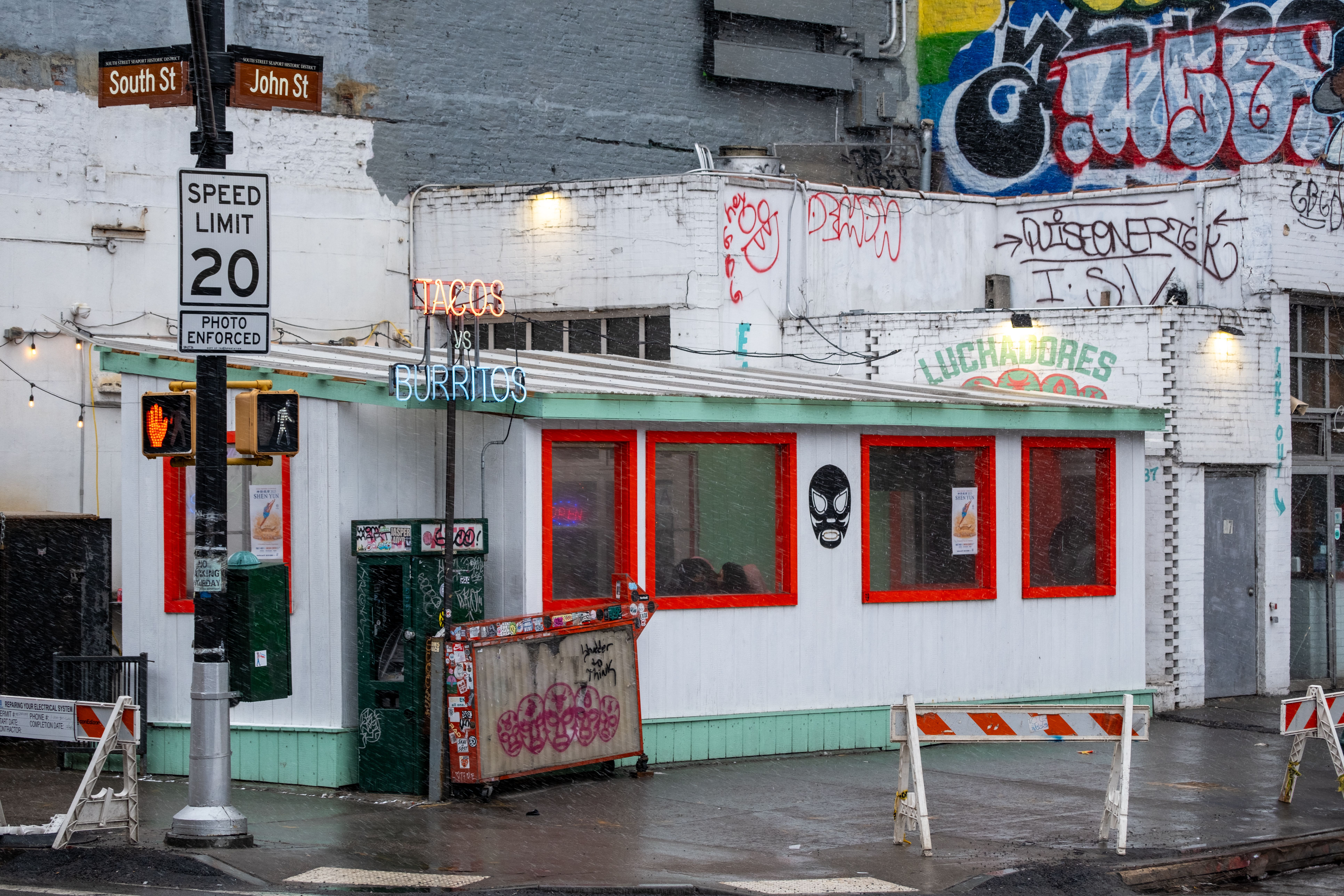
Rowans, with its yellowed bowling shoes and a menu that reads like a compact travelogue of the Yucatán’s claim on British dining—citrus, smoke, coriander, achiote—offers a microcosm of what the area loses when a space is reimagined as a construction site. The tacos, with beef that’s soft and a heat that never shouts, sit in a lineage that feels distinctly home-grown: not a polished export, but a local curiosity that has learned to survive the city’s push and pull by being stubbornly good. The tortilla chips, bright-orange with paprika and lime, are the kind of detail that makes you pause and acknowledge what you’re about to lose: the small, bright, imperfect pleasures that give a town its texture. The burrito, dense and soft, is comfort food with a practical edge—fuel for a night of debating planning documents with friends, for those who still believe a community should be more than a collection of units.
This isn’t a piece of dry reporting. It’s a portrait of a place in the act of choosing what it wants to become, and what it’s willing to surrender to get there. The council’s plan promises a future where residents have more homes and the station is flanked by architectural silhouettes that scream “modern growth.” The locals whisper a different script: that the growth needs to come with a commitment to the living fabric—the kind of commitments that preserve small businesses and community rituals that aren’t easily replaced by a two-year pause and a temporary relocation. The choice isn’t merely about a bowling alley or a taco stand; it’s about what a Berkshire town expects from itself as it moves toward a hybrid-working world that makes London feel both near and unnervingly present in every street corner.
So where does that leave us? Berkshire’s towns may be inching toward becoming clever, modern hubs that combine a history of markets, mills, and rivers with the digital tempo of a 21st-century workforce. They may find new ways to blend work and home, to create spaces where a late-night taco joint can share the block with a transit-oriented development and still keep the warmth of a neighbourhood that knows your name and knows how you take your coffee. Or they may drift toward the opposite: soulless satellite suburbs, where the green belt is treated as a balancing act rather than a living barrier, where traffic becomes the music of the day and the air quality chart reads like a weather forecast that never improves.
The resolution, ultimately, lies not in choosing one path over another but in choosing a way to balance progress with place. The future of Berkshire towns might hinge on policies that protect affordable spots and support small businesses like Rowans, while welcoming thoughtful, well-planned density that respects the commuter reality without erasing the character that drew people here in the first place. The right future might be a hybrid, where new homes sit thoughtfully beside old lanes, where a 30-minute ride into London can still feel like a reward rather than a surrender to a skyline that doesn’t belong to Berkshire’s particular mood.
In the end, what we need more than a bold skyline is a clear sense of what we’re saving—the memory of a bowling alley’s soft-clay voices rolling down a wooden lane, the scent of a lime and coriander taco that somehow tastes like both travel and home, the way a town’s clock ticks in step with a train that never stops reminding you that you’re never as far as you think. If Berkshire towns can keep their heart beating through the noise of numbers and the pressure of the planning board, they’ll remain places where the river, the market, and the rail line can co-exist with the promise of a modern future that doesn’t erase who they were to become what they might be.
0 Comment