
 LNLAdmin
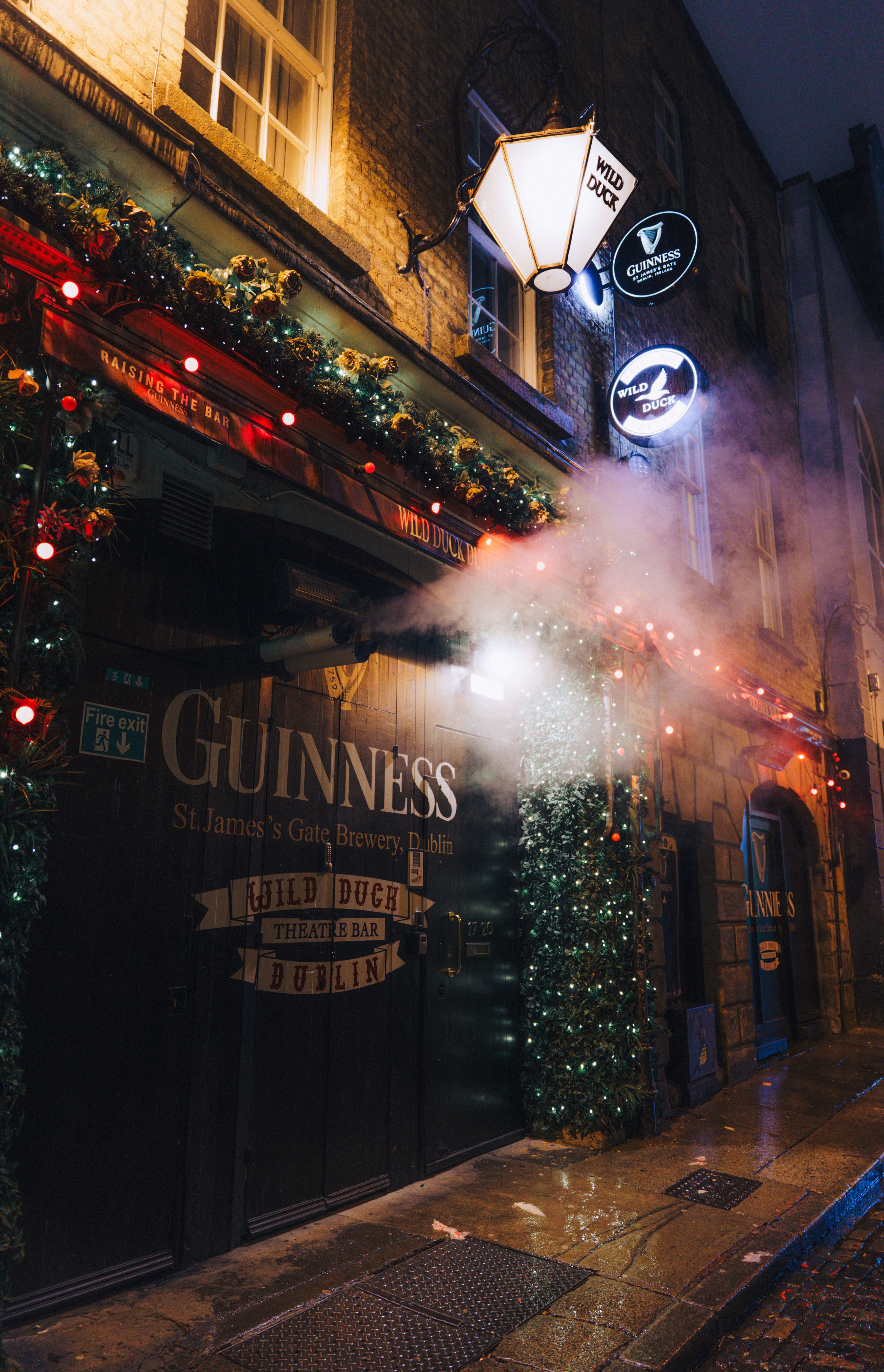
Is Guinness Open Gate another £72 million tourist trap, or is there something good hiding in it?
Is Guinness Open Gate another £72 million tourist trap, or is there something good hiding in it?
The hook of Berkshire has always been its romance: slow rivers threading through market towns, red brick mills tucked behind polite hedges, the faint chime of a church bell and the crisp promise of a 30-minute tilt into London on the Elizabeth Line or the Great Western line. You imagine a life where you wake to swans on the Thames, stroll to a Michelin-starred gastropub, and stroll back to a sunset over a green belt that feels as if it’s barely borrowed from the centuries. Then you drive.
Because the reality of Berkshire is the reality of a county straddling two impulses: the poetry of place and the pressure of numbers. The commuter gold rush has paved a new map of the Home Counties, where quiet enclaves become satellite suburbs by design or by drift. The train timetable is a pulse—frequent, punctual, and merciless—carrying more Londoners than ever through towns that were once content to be passers-through, not residents. The river remains a stage-set, but the backdrop is now a skyline of new build flats and roundabouts that feel bigger every year, as if the county is testing how much it can absorb before the green belt starts to wilt.
Is Guinness Open Gate the beacon of this shift? The pub-and-pilot light of a broader experiment in Berkshire’s evolving identity. The county’s appetite for rapid conversion rises with every new development plan, and the brewery’s playground in the shadow of the M4 sits at a curious crossroads: a visible symbol of two Berkshire truths at once. On the one hand, a marketing romance—the novelty of pairing Guinness with food, the glossy promise of a premium experience, a rooftop bar with views of plant machinery that feels almost gleefully industrial. On the other hand, a harsher arithmetic—the cost of living rising on the back of a population that didn’t ask for another gastronomic detour, the question of whether the “experience” is worth the price when the real-life experience around you is rising in price and density.
The Commuter Gold Rush is the engine here. A train line that used to be a simple corridor into London has become a river of bodies rolling in and out of the capital every day. The Elizabeth Line, with its sense of speed and inevitability, makes the dream of a green belt life—where you can afford a cottage and still get a Friday night curry in Reading or Windsor—feel almost within reach. It’s not just about being close to London; it’s about being able to pretend you’re not chasing London’s energy while living within a zone where the trains arrive with the same reliability as the sunrise. The practical reality is the flip side: denser housing, taller blocks, more parking disputes, more noise, more planning meetings about widening the same ring road that never seems to be wide enough.
And yet, Berkshire’s freight-car romance comes with its environmental bill. The air near busy transit corridors—think the A4 arteries that thread through Reading to Slough and Windsor—feels less pastoral with every wave of new commuters. Green belts, once the quiet guardians of the countryside, now stand as contested zones where promises of “managed growth” blur into the reality of incremental sprawl. In the space of a generation, a county that once wore its low-profile charm as a badge has learned to announce its growth with new flats, shopping districts, and schools straining to catch up with the number of kids rolling out of every weekend move.
Locally, the friction is most acute in the price of entry. Born-and-bred families, long-entrenched in parish councils and village halls, find themselves squeezed, not by a single policy, but by a chorus of rising values. The local pub that used to be a hub of intergenerational gossip now faces a monthly ballet of estate agents and new tenants who treat the town as a transit point rather than a place to plant roots. The commuters bring a cosmopolitan tempo—the ability to work from a corner office in London, then spill into a gastropub at 7 p.m.—yet they come with the cost of tension: longer commutes for those left behind who can’t scale the price ladder, more cars on narrow lanes, more pressure on schools, doctors, and community spaces. The air quality, once a soft concern, becomes a daily metric by which people measure the true cost of progress.
This tension is not simply a story of gnawed hedges and overpriced tea rooms. It is a narrative about what Berkshire wants to be. The county’s identity has always wavered between the pastoral postcard and the practical hub—where a river stroll can segue into a fast train and a brisk business lunch. The modern Berkshire is a study in hybrids: a place where a centuries-old market square might share a postcode with a brand-new tech campus or a glassy urban village, where a Michelin-starred gastropub can exist alongside a drone of construction, and where long-time residents negotiate the pace of change with a wary but hopeful eye.
There is a logic to the hybrid dream even as the price tag stings. Hybrid working, an economy that doesn’t rely on the factory floor in the same way, creates a new class of local worker who wants two things at once: the charm of the county and the velocity of the capital. People who can afford to live where the river runs slow and the trains run on schedule, and who can still slip into Paddington for a 9 a.m. meeting or a late coffee after a long day. The future Berkshire wants is not a retreat from the city but a reinvention of the city’s pressure in a place that can offer both the calm of a riverbank and the convenience of a direct line into the metropolis.
So what becomes of this stubborn, delightful paradox? The answer is not a simple yes or no. Berkshire may not devolve into a soulless satellite suburb—its history is a stubborn watermark that resists such a trivial fate. Yet its towns are evolving in ways that demand more of their own identity, more care from local leadership, and more conversation with the people who live there—not just those who pass through on the M4 or the Elizabeth Line. The future of Berkshire towns might lie in a mature, hybrid future: where you can bike along the Thames Path to a sea of new flats, where sustainable transit corridors coexist with preserved green spaces, where housing and public services expand thoughtfully rather than explode outward in a rush to catch an ever-moving economy.
The Guinness Open Gate question sits within this broader climate. Is it a tourist beacon telling a story of premium experiences and local pride, or a symptom of the same trend that’s reshaping every Berkshire town—the lure of easy money through proximity, the temptation to monetize novelty, and the quiet erosion of old ways that demand a more resilient answer? Perhaps the truth is somewhere in between. A place that can host a thoughtful, well-made pie and a robust pint without choking on the price tag, while still offering a rooftop with views of industry and a courtyard that feels like a real local hub.
In the end, Berkshire is a place of contradictions that work best when acknowledged honestly. The river asks for patience; the train asks for puncture-free trust; the developers ask for a plan that respects what came before while building what comes next. If Berkshire can balance those demands—nurture the rooted community while welcoming the new, protect the air and the green belt while making room for families to call it home—then the county does not surrender to the city’s gravity. It evolves into a modern hub that respects its past, adapts to a hybrid-working world, and remains, at heart, a place where you can still walk to the pub after a sunset walk along the river and feel that you are both part of something larger and deeply rooted in a local story that doesn’t require you to forget where you came from to be someone new.
0 Comment