
 LNLAdmin
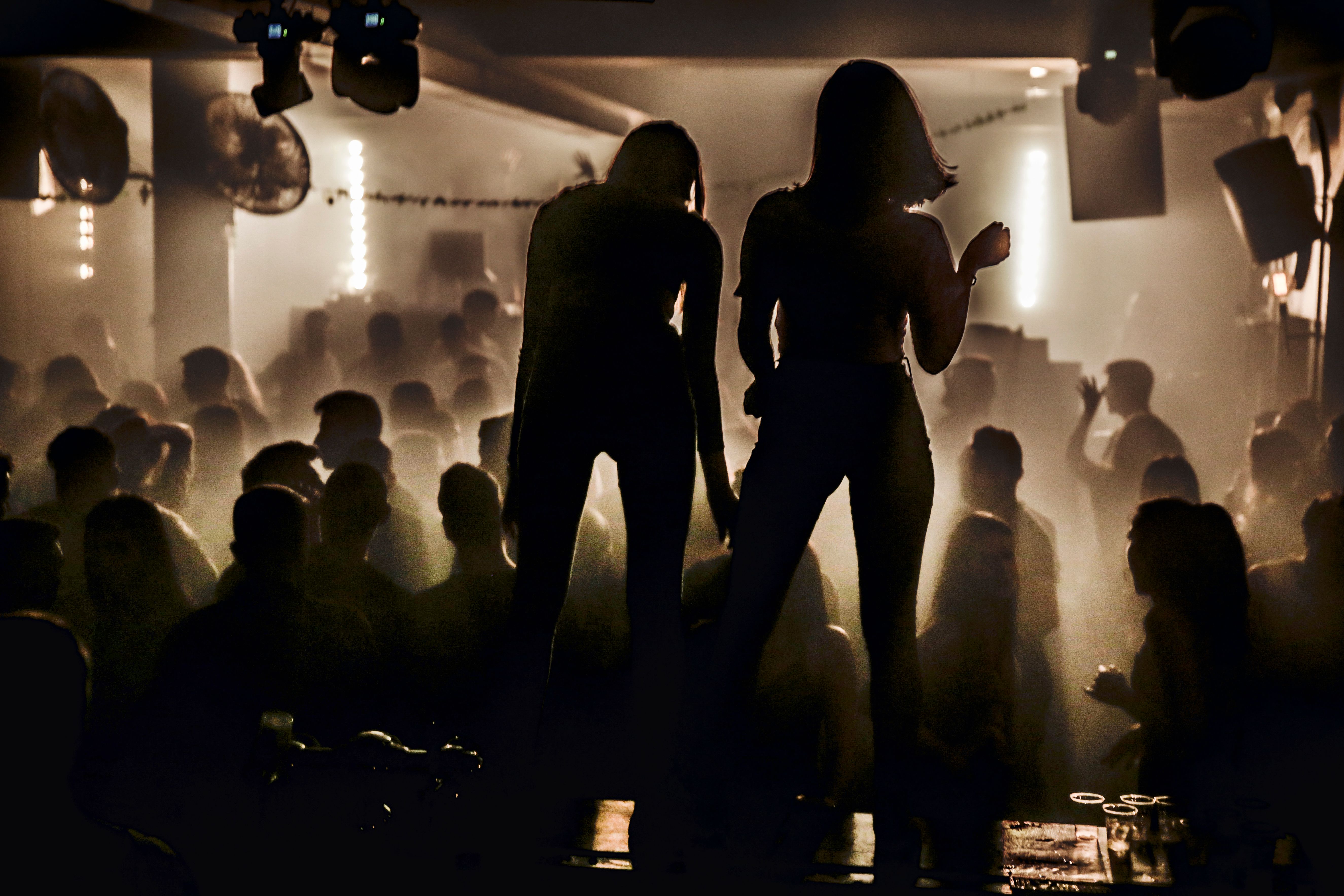
M26. Story if my life. Haven’t experienced a proper Club scene
M26. Story of My Life: Berkshire’s Quiet Drama Behind the Comfort Blanket
The Berkshire drawl is real, isn’t it? The riverside shimmer along the Thames, the reassuring click of a market door in a honey-coloured town square, the promise of a 30-minute sprint to Paddington when the day needs a London horizon. In a too-clean postcard, you can almost hear the bells of Windsor, the chatter of farmers’ markets, the soft thud of Sunday roasts drifting out of gastropubs that know your grandparents by their first names. It’s the kind of dream that makes you want to pack a suitcase with a picnic, stroll across a sunlit bridge, and pretend you’ve found the perfect balance between “home” and “the city.” The reality—less a postcard, more a weather report with a tremor of anxiety—sits just beyond the hedges: gridlocked roundabouts, rents that rise like tidewater, and the creeping certainty that the light on the river changes when the traffic lights go green.
The hook is almost magical. Berkshire is the place where your social calendar can be rearranged by a kiss of the Elizabeth Line or a timetable that promises Fast Lane to London. You clock the distance to Paddington as if it were a personal achievement, a badge of modern living: “I can be in the city for a meeting and back before my mum notices the washing up is still in the sink.” The reality, though, is less a romantic sprint and more a daily navigation of congestion, speculative development, and the quiet tug of a life that feels both comfortable and claustrophobic.
The commuter gold rush has rewritten the county’s DNA. Once, a Berkshire ride was a punctual ritual: a bus that smelled faintly of petrol and history, a train that carried you into a city that never truly stopped moving. Today, the train window is a moving mural of new builds, sign-posted estates, and enough “sold” boards to pepper a seaside town. The ease of London access has turned quiet, leafy enclaves into magnets for people who want to hedge their bets against the capital’s volatility while still catching the pulse of the metropolis. The Great Western line hums with a different rhythm now—every morning a chorus of numbered carriages, every evening a tide of faces who don’t shed their responsibility when the sun goes down. They don’t just commute; they convert the place into a kind of hybrid tax village, a town that earns its keep by selling its peace as a luxury amenity.
And yet, for every glossy Instagram moment down by the river, there’s a counterpoint: the friction that comes with density. Population has swelled, and with it, the appetite for square footage that would have seemed vulgar a generation ago. The housing market, once a steady drumbeat, now pounds with the urgency of a countdown: prices cresting, rentals snapping, first-time buyers discovering a new rule of the Home Counties—owning a house is less a rite of passage than a negotiated settlement with a landowner called “Mother Thames” and a council that promises more than it can often deliver. The green belt, that quiet boundary where imagination keeps its cool, begins to fray at the edges as developers sketch lines on maps where hedges once stood. The air, too, becomes a layered concern: the A4’s exhaust plume taxiing past a village green; the M4’s impatient snarl guiding commuters to a skyline of blocks that start to resemble testaments to progress rather than the gentle contours of a life you might have imagined as a child.
The personal story tucked inside Berkshire’s broader drama is where the tension lands most piercingly. The post from the Reddit user—“I live with my parents… I usually have to be home by 12 max… the interior roads to my house aren’t safe… I don’t have friends I can crash at… it makes me sad knowing I haven’t done anything and time is ticking”—reads like a private, quiet protest against the social calculus of the place. It’s easy to overlook the way macro trends bend into micro evenings: the fatigue of late trains, the sense that every club night is a potential risk to a nocturnal curfew dictated by a road system not built for late arrivals, or that a social life in a commuter belt town is something you attempt to acquire in spurts rather than a given.
This is the crux of Berkshire’s modern friction: born-and-bred locals watching neighborhoods evolve into enclaves that feel simultaneously safer and more fragile. The city-on-hold promise—“we’ll be London-adjacent, not London-adjacent enough”—puts pressure on who gets to live here, who gets to belong, and who can sustain a social life that doesn’t hinge on a car, a spare sofa, or a kindly aunt with a spare room. Housing costs rise to meet the demand curve, and the long-time residents—people whose memories are stitched into the fabric of a town square—watch as the fabric ripples outward with every planning application and every new build. The social fabric is tested: who gets the keys to the gate, who gets to stay when the price of admission shifts from moral to financial?
And yet, Berkshire isn’t simply fracturing under weight. It’s remixing its own identity, trying to become both the homestead and the horizon. Some towns lean into their roles as transit hubs, courting new businesses, tech startups, and hybrid-working pacts that allow a professional to live by a river but work by a call center in a different time zone. Others lean into culture as a tether—historic pubs that have jaws of memory, gastropubs serving as shared living rooms, and markets that keep the heartbeat of the place beating even when the trains run late. The environmental cost is acknowledged with a sigh and a plan or two: better cycle routes, smarter traffic management, proposals for green corridors that could, in time, make the air feel less like a trade-off and more like a shared trust.
The resolution isn’t a neat bow but a conversation—one that recognizes progress without erasing place. Berkshire, like many Home Counties towns, is negotiating what it means to be a modern hub while preserving a sense of belonging. Are we watching the birth of soulless satellite suburbs, where the clock dictates life and the river merely decorates the commute? Or are we witnessing the emergence of resilient, hybrid towns that’ve learned to weave remote-work rhythms, weekend markets, and morning jogs along the towpath into a culture that is both anchored and expansive?
The answer, as always, lies somewhere in the middle—the most uncomfortable kind of truth for a place that wants to have it all: the serenity of a riverside morning, the convenience of a direct link to the city, and the scale of opportunity that comes with growth. Berkshire’s towns could become doors to a more vibrant, adaptive future, provided they protect the social spaces that keep people from feeling like they’re living in the periphery of their own lives. They could also, if the balance tips too far toward density and price, risk losing the very thing that makes them appealing to those who moved in for the promise of a shorter commute and a longer horizon.
So what does the future hold for these towns along the M4 corridor, for the riverside whispers and the roundabouts that define a way of life? It will require a cultural reckoning as much as an urban one: a commitment to transport planning that respects time as a social resource; to housing policy that allows for the softer currencies of belonging and stability, not just the hard currency of investment; to air quality and green-space priorities that protect the very air we breathe as we chase the next big job, the next shift, the next post on Reddit from someone who, like the writer here, wants to be more than a homebody but isn’t sure how to make the night a workable scene.
In the end, Berkshire’s story is a lived meditation on progress. The river remains beautiful, the history remains audible in the brickwork of town centers, and the direct line to London remains a tantalizing heartbeat. The challenge is to redraw the map of belonging so that people—whether they’re climbing the corporate ladder, launching a small business, or simply trying to gather friends for a night out—can feel at home without feeling priced out or without risking the safety of the drive home. If the Home Counties can craft a future that blends hybrid-working possibility with a social fabric that honors both the old and the new, then Berkshire won’t just endure the pressures of progress—it might finally define what progress feels like in the 21st century: measured, meaningful, and sincerely rooted in place.
0 Comment