
 LNLAdmin
WhatsApp group for meeting new people, hanging out & actually being social 👋
Title: Surviving and Thriving: How London Nights Teach You to Find Connection in a City That Never Shuts Up
Dusk falls and the city hums to a higher frequency. The first streetlamps click on, the scent of street food drifts from a kebab van near Shoreditch, and your outfit suddenly feels like it can either crack the night open or close it down in one glance. London at night is a high-voltage romance wrapped in neon and curry oil, but it’s also a brutal exam in modern social chemistry: do you dare approach the person at the bar, or do you retreat behind a perfectly timed emoji to avoid the fallout of a versus night? The promise is intoxicating—the kind of moment when a random run-in could be a life-direction shift. The reality, though, is a maze of overpriced drinks, tabbed menus that read like a mortgage, and door policies that act like bouncers for your soul as well as your wristband. Tonight could be the one, or it could be the hundredth moment you’ve spent chasing a spark you’re not sure is even there.
The Hook: The Electric Promise and the Reality Check
At dusk, London is a magnet. The air tastes of street-food garlic, the pavement is a catwalk between sizzling grills and glass-fronted cocktail bars, and there’s a shared expectation—tonight might be the night you meet someone incredible. Then the doors open and the myth fractures into a thousand small costs: the ticket you don’t want to swear at but already did, the strip of glitter in a bottle that costs more than your monthly transit pass, the moment you lock eyes with a potential spark and watch it retreat behind a phone screen. The city asks you to gamble with your time and with your nerves: will you flirt in a crowded room or opt for the safety of a chat thread that never quite gets past the “hello”?
Culinary & Cocktail Warm-Up: Where the Night Takes Shape
Before the after-hours delirium, there’s a prelude—a coastline of small plates, dim-lit natural wine bars, and late-night food spots that become micro-social incubators. East and Central London offer a map of little rituals: a shared plate of patatas bravas accompanied by a bottle of skin-contact natural wine that tastes like an inside joke you’re about to become a part of. In these spaces, people cross paths not because they’re leaping toward a long-term plan but because they’re hungry for something real: a brief conversation that could turn into a plan to meet again, a recommendation for a hidden spot, a compliment that doesn’t feel like a pickup line but rather a breadcrumb toward something more human.
Noise levels matter here. The room isn’t just sound; it’s texture—the clink of glass, the soft rasp of a vinyl in a corner, the murmur of strangers who sound like future friends. A shared table becomes a micro-community: someone offers a seat, you swap a story about your last misfit date, you discover you both love the same late-night curry house in Dalston that opens after 11.30 pm. The warmth isn’t loud; it’s tangible, a slow-burning spark before the main event.
The Nightlife Sanctuary & The Flirting Floor: The Real Pulse of the City
The true theatre begins once you tip past the threshold of a club or a listening bar. The sterile, mainstream scenes burn energy at a rate that can feel counterfeit—pared-back lighting, a guest list that feels more like a VIP courtesy than an invitation, and a dancefloor that pulses with the breath of a thousand screens. Compare that to the true sanctuaries: sweaty basement floors where the bass is a weather system, intimate listening rooms where conversations drift between tracks, and buzzing pub gardens where you can actually talk without shouting over a wall of noise.
In the basement spaces, bodies become punctuation marks in a sentence you both are writing together in real-time. A glance, a step closer, a breath shared in the moment a track shifts from familiar to feral. The energy between people—between the sexes, between strangers who suddenly feel like potential co-stars in a night that could go anywhere—remains electric because chaos isn’t feared here. It’s embraced. You don’t need a flawless pickup line when the air itself feels like it’s charged with possibility: eye contact that lingers a beat longer, a joke that lands, a shared rhythm in a dance that becomes a conversation without words.
Yet the flip side is equally honest. The modern nightlife burnout bites hard: astronomical drink prices that feel like a tax on your togetherness, anti-social closures that close chapters as quickly as they open them, and the creeping fear that your next DM will be a reminder of how fragile a lead can be with the right emoji and a quick fade-out. The city tests you: can you keep showing up, still curious, still hungry, after a string of plans that disappear or a night when the person you hoped to meet seems to be more interested in their screen than your voice?
The Heartbeat of Connection: What Actually Works
If you strip it down, what makes London’s late-night social scene work is the stubborn insistence on human contact—on people choosing to be active rather than passive, to participate rather than observe. The WhatsApp group model in the post you shared echoes this intention on a micro-scale: a living thread where people decide to meet, to try something together, to show up for each other rather than letting digital silence swallow the night.
On the ground, the most reliable rituals look like this:
– Coffee and casual meetups that feel less like a first date and more like “we’re here and we’re awake, let’s see what the night becomes.”
– Coworking sessions that float between productivity and social lubrication—a place to be seen, a place to mention a passion project, a place to test a connection in a non-intimidating context.
– Drinks, nights out, and dancing that don’t require a key-note performance of charm, but reward honesty and energy: a real conversation in a loud room, a smile shared during a slow song, a plan whispered in the wingman glow of a neon sign.
– Networking that isn’t transactional but human—a genuine attempt to link people from different backgrounds who wouldn’t otherwise cross paths.
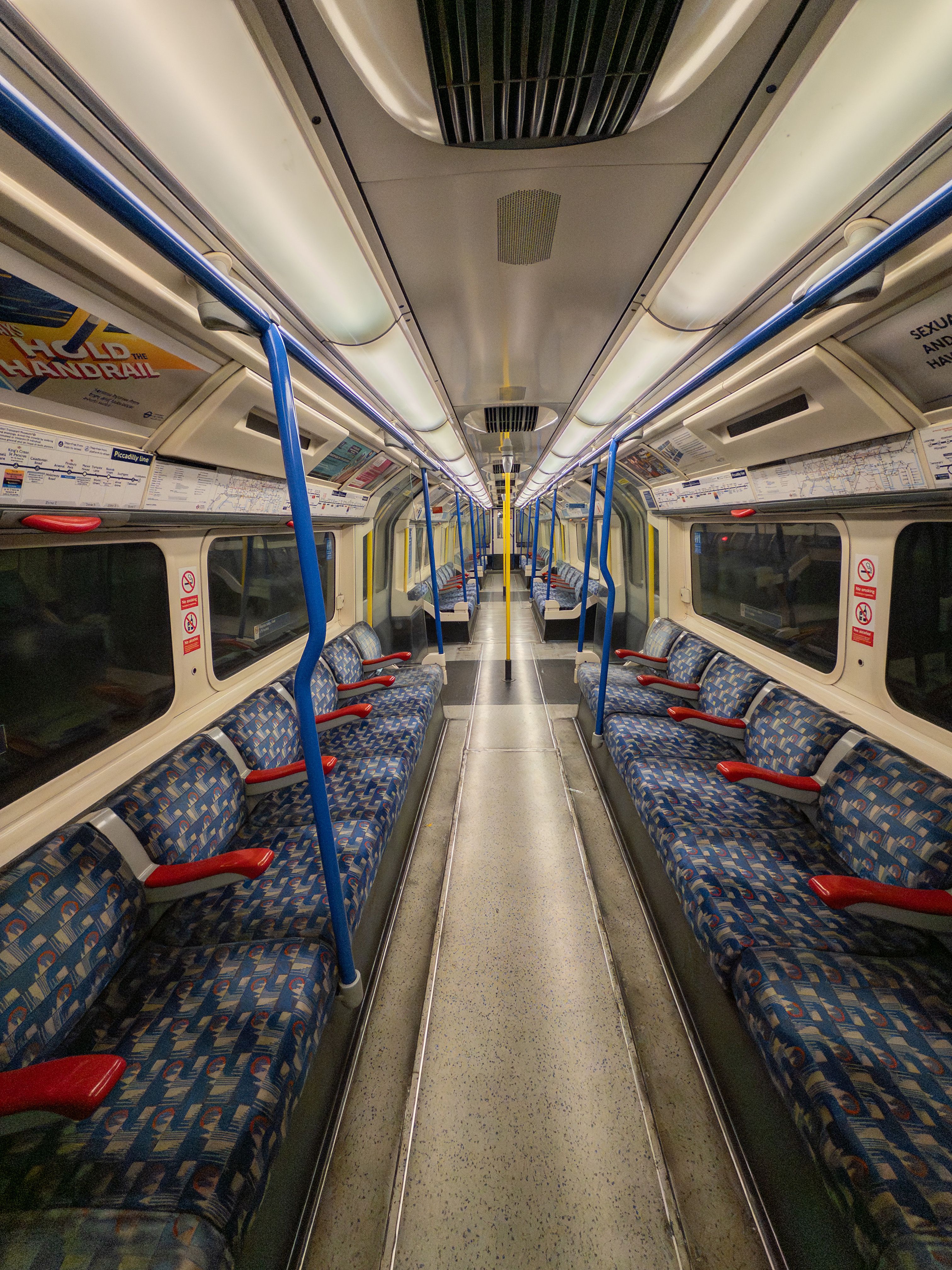
– Spontaneous plans that feel like a dare to the night itself: “let’s wing it and see where the train takes us.”
– And yes, a simple space to chat and get to know each other without the pressure to perform.
The core rule is simple and human: be active and social. Not every plan needs to be perfect, not every message must be answered, but there’s a shared understanding that we’re here to participate in the city’s nocturnal social life rather than quietly disappear behind a screen.
The Raw Take: Is London’s Nightlife Dying or Evolving?
Is the city’s nocturnal heartbeat being strangled by price tags and policy, or is it simply mutating into a tougher species—one that demands more from us and rewards more when we show up with curiosity and courtesy? The truth sits somewhere in the middle. Yes, the rails feel slicker, the doors stricter, and the nights at times more about the brand than the moment. And yes, there is a certain brutal honesty in the fact that you can meet more people online than inside a crowded room with the risk of a real connection. But the upside is equally loud: the same streets that give you a gnawing sense of possibility also offer a thousand micro-stages for serendipity.
The city remains a living experiment in human potential. You can still stumble into a conversation that shifts your mood, discover a late-night bake shop that becomes your after-hours perch, or meet someone who makes you forget the price of a drink for a second because you’re learning something new about the world or about yourself. The romantic energy doesn’t vanish; it shuffles into new forms—the kind you chase not with a perfect pickup line but with presence, humor, and a willingness to go beyond your comfort zone.
Conclusion: The Social Spirit as a Night-Found Compass
London’s nightlife isn’t just about what you drink or where you dance. It’s a test of your appetite for connection, a proving ground for your ability to navigate a city that can either bless you with a great night or haunt you with the memory of one that slipped away. The magnetic chaos remains—the thrill of spotting someone across a dimly lit room, the joy of a spontaneous plan that actually comes together, the shared ritual of breaking bread and building a story together after the clock strikes three.
If you’re hunting for a way to thrive in this city’s nocturnal maze, start with the simplest of promises: show up. Be active. Be social. Bring a little warmth, a willingness to listen, and a plan that involves more than a selfie at last call. Create spaces with people who want to participate, not just observe. The night rewards the brave, the curious, and the genuinely kind. And even when the prices bite and the venues close with a shrug, the city’s social spirit refuses to die. It just keeps reinventing itself, one late-night conversation at a time.
0 Comment