
 LNLAdmin
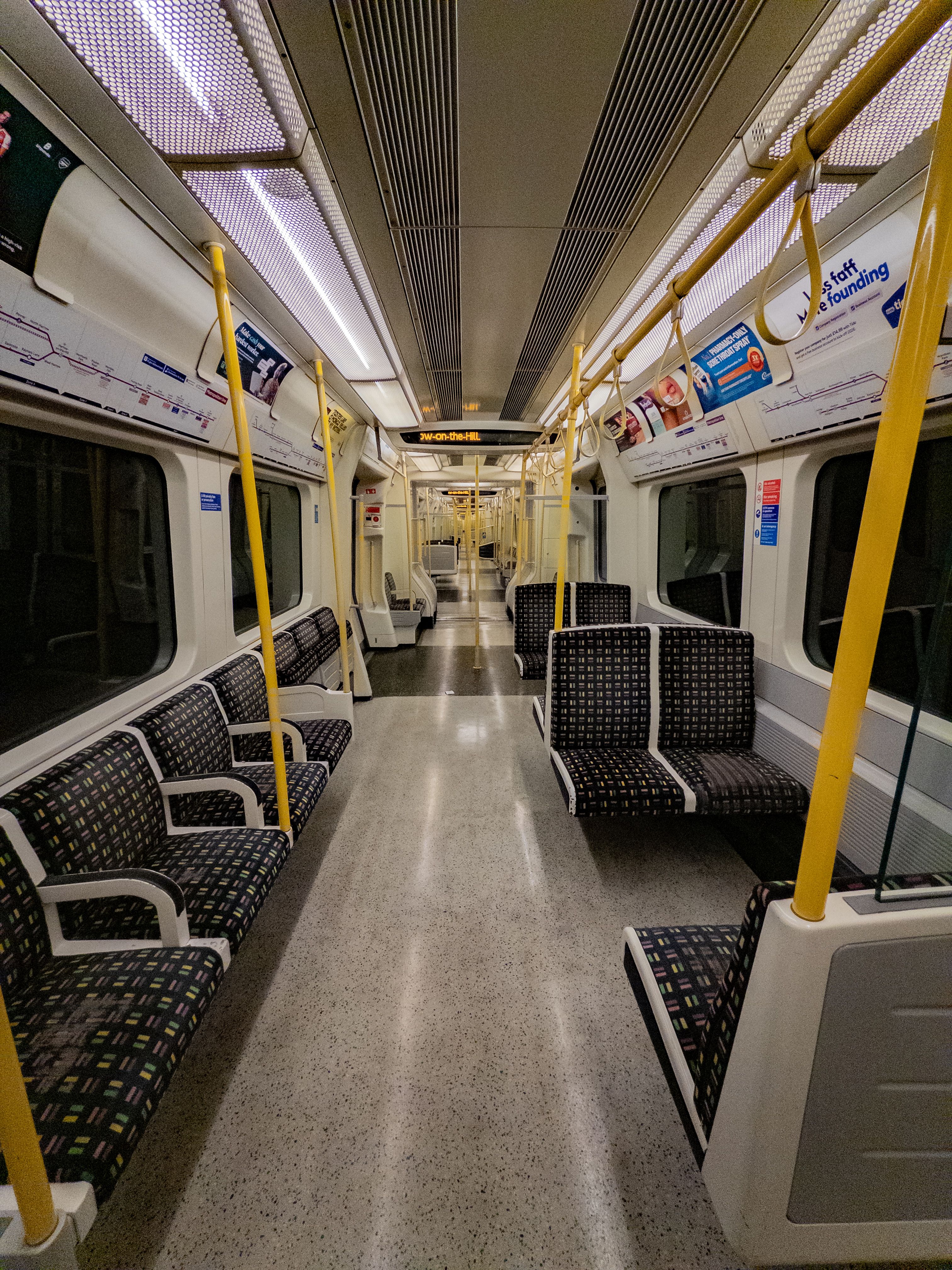
Looking for a unique dining experience in London? We run a Supperclub.Tube inside a decommissioned 1967 tube carriage 🚇
Title: The Supper Carriage and the Thames-side Paradox: Berkshire’s Brighter Surface, Its Baffling Core
Hook
Picture Berkshire as a postcard: river reflections tracing lazy bends, royal parks glinting in pale sun, village greens like stitched quilts, and a 30-minute sprint to central London looping through the Elizabeth Line. In a breath, the image tilts. The roundabout at Reading Road has become a miniature motorway jam, the air feels heavier with every idling engine, and even the most bucolic line of cottages seems woven into a grander, louder commuter tapestry. Welcome to Berkshire in the early 2020s: the countryside dream courting a city-dollar nightmare, where a sublime ease of access to London seduces families and professionals alike, and the price tag of that ease climbs with every new development parcel stamped into the green belt.
The Commuter Gold Rush
If you wander along the Thames as the sun spills into brick-and-mayflower townhouses, you’ll hear a quiet, stubborn truth: Berkshire’s appeal isn’t just the scenery; it’s the speed dial to the capital. The rail timetables have become the town’s pulse. A direct sprint to Paddington via Great Western routes or a breezy hop along the Elizabeth Line turns sleepy market towns into bright-beaming pipeline hubs. The economy, too, has learned to breathe in that rhythm. Households that once saved for a “big move” now map a weekly calendar around London’s workweek, choosing hybrid routines that make the county feel like a large, well-organised satellite city.
That demand has a pronounced clock: if a child is born in Wokingham, it might as well be born with a season ticket. If a family loves rowing on the Thames, they might as well consider a future where the commuter belt is a second river—one that runs not just alongside the green Belt but straight into the heart of the metropolis. In practical terms, developers have learned to gamble on the easy truth of London’s gravity. They hammer in new flats where fields once lay, draw up “eco-districts” where hedgerows used to hold, and whisper the inevitable promise: high-connected living without the city’s chaos. Yet what works for a monthly mortgage note often loses something more intimate: the sense that a place is “home” before it is a place to earn.
The Local Friction & Environmental Cost
Here lies Berkshire’s most telling paradox. The same characteristics that draw families out of suburbia—space, relatively lower crime, perceived safety, respectable schools—also invite a different creature: a population surge that redefines what “local” means. Longtime residents watch as the market whispers a price in every room. A home that once whispered “grand old house with a garden” becomes an asset ticker, a capital piece to be traded in a market that moves faster than a Sunday morning stroll along the river.
Air quality, too, has become a linear narrative thread. The A4 and M4 corridors funnel more traffic than a century of horse-drawn carriages could have imagined, and with the data points rising, the air grows ponderous in the heat of summer and heavy with exhaust in the early evenings. The green belt—once a cherished, almost tactile boundary between town and countryside—shivers at the edge of development milestones and planning approvals. Infrastructure strains appear not as dramatic headlines but as muted, nightly reminders: a bus that never arrives on time, a school that’s short of classroom space, a hospital corridor that’s choked with orange-topped patients directing themselves to the next available seat.
The friction isn’t merely about who pays more for a house; it’s about who gets to call Berkshire “home” in a way that feels rooted, not rented. Locals with multi-generational ties—who learned to navigate the quirks of a village or market town—find themselves negotiating with a different social weather: new arrivals, often with different schedules, different expectations about “community,” and a pace that feels relentlessly modern.
The Berkshire resident’s daily theatre is not a single scene but a revolving stage. The commuter train breathes in and out at the same rhythm as the town’s heartbeat: a gentle, almost ceremonial pause, followed by a sprint toward the city. Yet you notice the subtle theater of it all: a Saturday morning wait at a café where the barista names every street in the county, a Sunday afternoon in a churchyard where the flowering plum trees are said to have witnessed more generations of families than any council report could record.
The Counterpoint: Culture, Pace, and the Hybrid-Work Frontier
But Berkshire isn’t simply being flattened by London’s gravity. It’s evolving in response to it. The hybrid-working revolution has given the county a new mandate: to be both a sanctuary and a studio. People aren’t just moving here to escape; they’re moving here to reconfigure their lives. And in that reconfiguration, creativity blooms in the most over-looked corners—tiny local galleries staging pop-up shows after work, bakeries that morph into evening wine bars, a Sunday market where developers and residents share a nod of mutual fate rather than a handshake over a contract.
In the same breath, Berkshire reveals an appetite for novel, immersive experiences that remind us of the value of place beyond property values. Enter the “Supper Club.Tube” in London’s own outskirts-adjacent orbit—Walthamstow’s decommissioned 1967 Victoria Line carriage repurposed as an intimate restaurant. It’s a symbol of a broader cultural truth: in an age where dining can be both a memory and a conversation, the choice to stay near home isn’t a retreat from culture but a re-rooting of it. The carriage becomes a microcosm of Berkshire’s tension: a little piece of grand London innovation nestled near the periphery, a reminder that good design and good meals can travel with us—without surrendering the sense of place we earned through years of living with its quirks.
What this means for Berkshire’s future is not a single future but a spectrum. Some would fear the county becoming a purely functional appendage of Greater London—an endless corridor of satellites and brisk commutes. Others see a transformed network—town centers that weather demand by investing in walkable cores, renewable energy, and transit-led growth that respects the county’s green soul while welcoming the undeniable energy of modern life.
Resolution: A Balanced, Reflective Outlook
So, are Berkshire towns becoming soulless satellite suburbs, or are they evolving into vibrant, modern hubs in a hybrid-working world? The answer, as with most living systems, lies somewhere in between—and in the space we choose to make for nuance.
The “soulless satellite” worry is valid when the scale tips toward density without culture to hold it, when green belts become lines on a map rather than living spaces for trees and children. The “vibrant hub” promise is equally compelling when a place imagines itself as a network of neighborhoods with distinct characters: riverfront workshops in Henley, arts-and-tech collages in Maidenhead, quiet culinary revolutions in Wokingham, all knit together by a rail grid that respects the rivers, the market bells, and the memory of the old Berkshire.
The future is likely a hybrid cityscape, not a uniform one. It’s a Berkshire that learns to host the London economy without losing the quiet dignity of its own horizons. It’s a Berkshire where dinner in a repurposed carriage becomes a metaphor for broader possibilities: that progress can arrive not only on rails but through investment in schools, air-quality monitoring, and open spaces that invite a daily invitation to breathe — in, out, and around.
A Closing Note
If there’s a single line to take away, it’s this: the price of progress in the Home Counties isn’t just in the balance sheets of developers or the tax receipts of councils. It’s in the small rituals of life that give a place its heart—the morning light on a rowing punt, the weekly market gossip, the quiet pride of a house that’s stood for generations, now opening its doors to a new kind of resident.
And if Berkshire can balance the lure of a swift door-to-desk commute with the stubborn insistence that place still matters—still holds the memories of ancestors who filled the lanes with stories, still guards the green belt like a living promise—then the county will not merely survive the commuter gold rush. It will own it, on its own terms, with a story that respects both the river’s gentle bend and the blistering pace of a train pulling away into London.
0 Comment