
 LNLAdmin
UK Parliament petition: provide financial support to nightclubs
Title: Nightclubs, Nobility, and the Price of Progress in Berkshire’s commuter belt
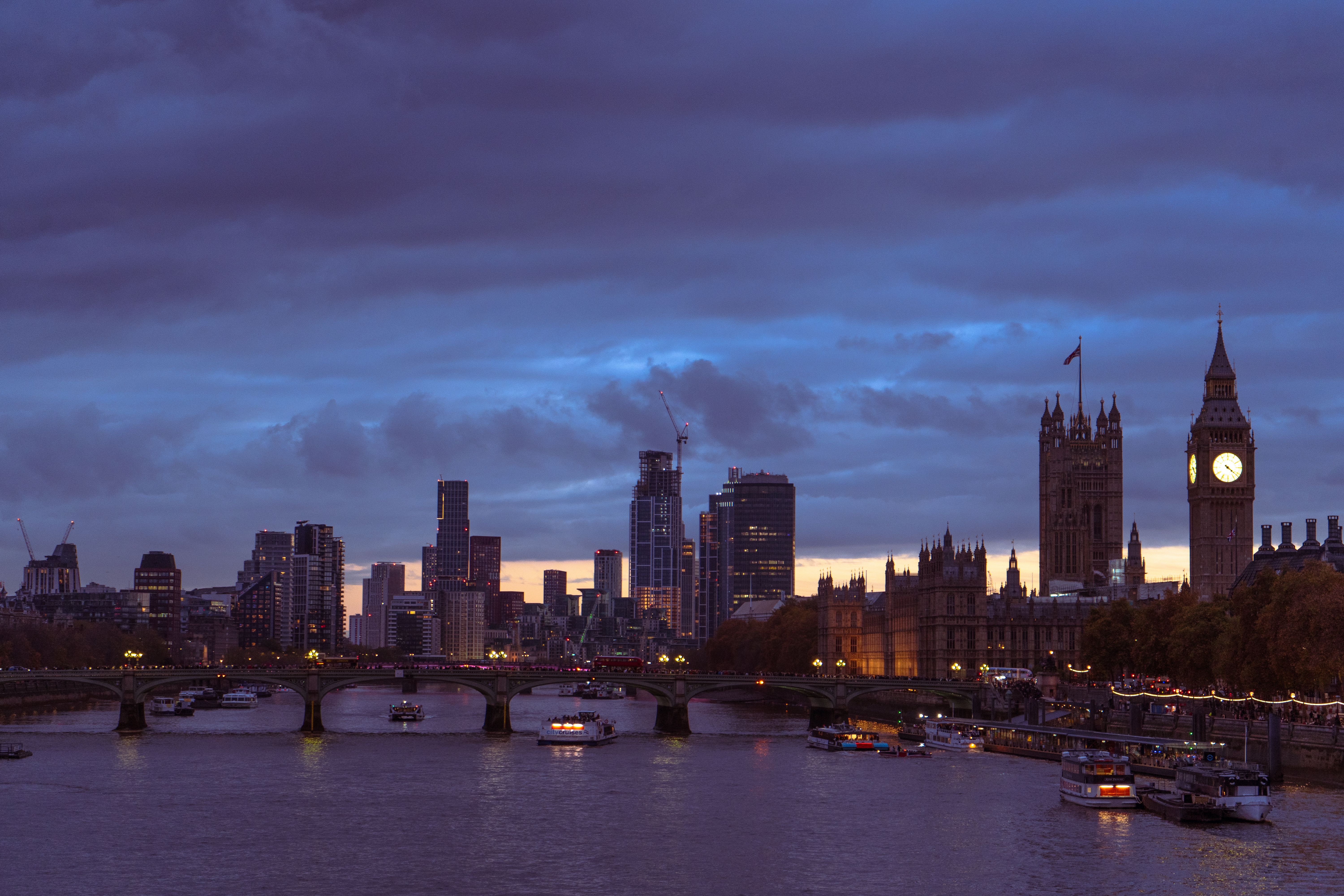
The Thames glides past as if wearing a crown. In Berkshire, the river breeze carries whispers of royal parks, market-town charm, and the quiet, almost ceremonial ease of a 30-minute escape to Paddington or fast-track to central London on the Elizabeth Line or the Great Western line. It feels like a postcard: a swan-neck of water, genteel riverside walks, and the perfume of Michelin-starred gastropubs mingling with the hush of well-heeled streets after dusk. Then, at the roundabout outside the station, the reality mutters back in the language of traffic lights and toll bridges: gridlocked arteries, surges in housing demand, and a density that creeps like ivy across green belts. The illusion and the infrastructure don’t just coexist; they collide.
The Hook: Berkshire’s Romantic Mirage, Meet Reality
Imagine Berkshire as a living postcard: the Thames threading through Bath Road towns, the stately parks echoing with joggers and dog-walkers, and a commute that can feel like a soft breeze rather than a sprint. The dream is simple: a quick, seamless zip to the capital for work or culture, then a return to serene riverside lanes. The reality, however, is less cinematic and more logistical: roundabouts that grind to a halt, the hum of construction drilling through the twilight, and rents that climb with every new train timetable. The county’s beauty is not just aesthetic; it’s a magnet. People move here for a “better life,” and because London’s gravitational pull is relentless, Berkshire starts to pull itself apart at the seams.
The Commuter Gold Rush: Access as an Engine of Change
The railway is the truth-teller. The ease of access to London—30 minutes to Paddington on the Great Western, even quicker for those who catch the newer Elizabeth Line spliced into the network—reconfigures every town’s future. Quiet, sleepy spots become commuter havens: fast, predictable, and seductive for people who want a slice of countryside with a side of metropolis. The net effect is population growth in bursts, then a steady drumbeat of development. New flats rise where allotments used to lie; the pace of planning applications accelerates; the mental clock of a town shifts from “how do we grow?” to “how do we absorb growth without breaking?” The economics of it are obvious: higher demand means higher prices, and in Berkshire’s market, demand is now a daily tightening coil on housing supply.
But there’s more to the story than the price tag on a front door. The same accessibility that makes Berkshire attractive to urban transplants—who crave a swifter commute, a quiet Sunday, and a slightly more respectable postcode—also turns the county into a stage for workforce reshuffling. People can live where rents are manageable and still punch into the City or West End by dawn. That exchange rate—less pressure on the workplace, more on the street—transforms local economies. Cafés flip to suit the new rhythm; schools juggle class sizes; and small towns lean into the idea of themselves as modern, connected hubs rather than insulated relics.
The Local Friction & Environmental Cost: Prices, Population, and the Air We Breathe
As Berkshire’s population swells, price becomes a language all its own. It’s a symptom of a larger phenomenon: when desirability collides with finite space, the first casualty is often the born-and-bred local. Longstanding residents—families who planted roots years ago—notice the squeeze: houses that once felt affordable now feel provisional, an adoptee’s house-sharing trend creeping into the middle class’s vocabulary. The irony lands heavy in towns whose identity has long hinged on rooted community and stable streets. If you’ve grown up in a high-street bakery, a corner pub, a school that’s part of your family history, the sense that your neighbourhood could tip into a “transit suburb” can feel like a quiet wound.
Meanwhile, the green belt—a cherished, almost sacramental space in the British psyche—faces an onslaught of planning pressure. The A4 corridor and the M4 fringe become invisible lines in a budget spreadsheet, their environmental cost ignored in the chase for “more homes, more people.” Air quality worsens on busy routes; congestion fragments the day into endless car journeys; and the simple act of walking to a market becomes a test of patience and time. It’s a paradox: the very virtue that makes Berkshire attractive—the balance of rural charm and urban access—turns into the pressure that threatens that balance.
The tension is internal as well as external. Long-time locals speak a double language: they love the vitality of the town center—the independent shops, the once-a-year street festival, the post-7pm hum of a brick-and-mortar economy that still exists in an online-first era. Yet the same towns now play host to a constant stream of new faces who may stay a few years, or who may not stay at all, just in time for a packed schedule of new flats and new schools to meet the population surge. The friction is not solely economic; it’s cultural: what do you lose when a community becomes a hybrid of commuter culture, weekend culture, and the weekday grind?
The Resolution: Future Berkshire—Suburb, Supernova, or Subtle Evolution?
So where does Berkshire end up in this tug-of-war between idyll and intensity? The path forward isn’t a single, cinematic moment; it’s a thousand small decisions that determine whether towns remain grounded in history or become polished, hybrid machines designed to accommodate hybrid-working life.
One possible trajectory is that Berkshire evolves into a mosaic: a network of vibrant, modern hubs that preserve a sense of place even as they absorb growth. Think of riverfront walkways shaded by trees that survive a building boom, independent venues alongside gastropubs, and cultural calendars that reflect both traditional Berkshire pastimes and new cosmopolitan tastes. In this vision, “commuter belt” is not a pejorative label but a badge of resilience: towns that can balance the pull of London with the pull of community.
Another possibility is a more dissonant one: districts that feel like satellite suburbs, tethered to Greater London by the clock and the price of a property deed. The soul of the town—its patina of history, its local businesses built by generations—could be overshadowed by a perpetual ebb and flow of commuters who retail, play, and reside on a timetable that isn’t theirs to write.
The middle path requires deliberate stewardship. It demands planners, developers, local councils, and residents to co-create a Berkshire that does not abandon its green spaces, its air quality, or its historic storefronts in pursuit of a quick housing fix. It asks for a nuanced acknowledgement: that progress does not have to be a zero-sum game between affordable housing and green belt preservation, that culture—like a nightclub, for example—might be a casualty or a catalyst in the same breath depending on the policy winds that blow through Westminster and the county lines.
The Reddit Petition as a Mirror and a Metaphor
The petition to provide financial support to the nightclub industry—an echo of a wider cultural concern—plays into Berkshire’s narrative in a revealing way. It’s not merely about keeping venues open; it’s about sustaining a spectrum of cultural life that anchors towns in the evenings when commuters return from the City. Nightclubs aren’t just places to dance; they’re temporal oases where people meet after the grind, where a town’s post-work identity takes shape, and where a generation learns to hear itself in a room beyond the living room. Thebly, the petition’s urgency—an industry pressed to the brink by financial headwinds—speaks to the broader problem: the need for policy that recognizes culture as infrastructure, not a luxury.
The Closing Thought: What Berkshire Will Be, If We Choose
The Berkshire story isn’t a cautionary tale about the “death of the village.” It’s a meditation on what it means to grow thoughtfully. The towns along the Thames, with their gilded edges and gritty centers, offer a paradoxical invitation: to preserve the intimate human scale of place while welcoming the velocity of modern life. If Berkshire can weave affordable housing into green belt preservation, if it can fund and safeguard cultural spaces—from nightclubs to libraries—without turning every street into a cloning of London’s postcode, then it might master the art of hybrid living.
In the end, the future of Berkshire towns rests not in choosing between idyll and infrastructure, but in choosing how to harmonize them. A place that can keep its history alive while embracing a flexible, modern economy remains not a satellite suburb, but a living, evolving frontier—where the river’s current carries both tradition and transition, and where the soundscape of a night out might still be a legitimate measure of a town’s heartbeat.
0 Comment