
 LNLAdmin
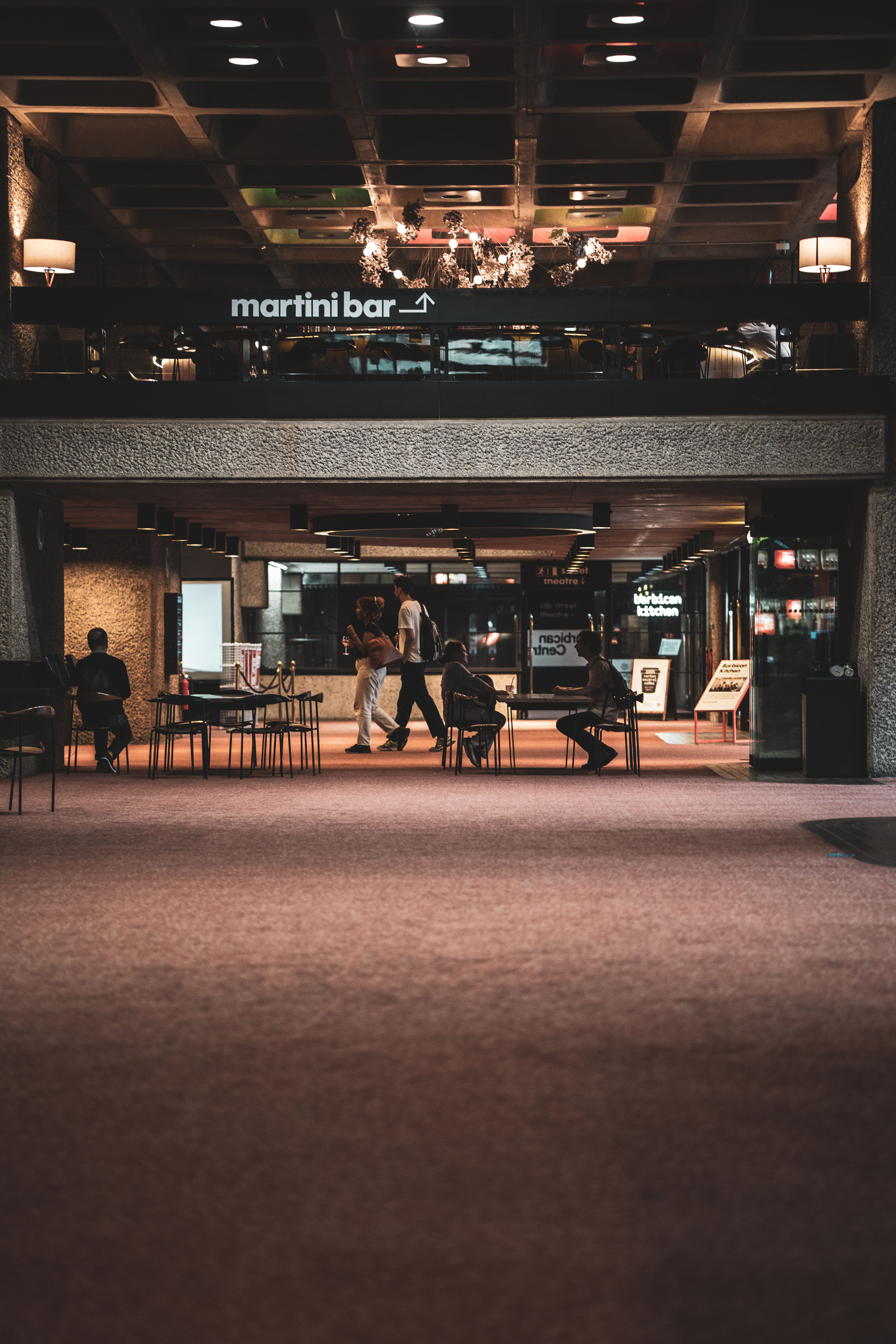
Not quite ‘raving’, but new listening bar to open in London’s Barbican Centre
Title: The Berkshire Balance: Velvet River Views, Iron Rails, and the Price of Progress
I. Hook: The illusion and the grind
Picture Berkshire at dawn: river ribbons threading through market towns, the hush of royal parks, a 30-minute hinge into London sliding open as if by magic. The promise is gentle: a life where the countryside softens the blow of a city job, where a Sunday stroll along the Thames can be wrapped up with a crisp grant of a tonight’s late train to Paddington. Yet the fantasy is quickly undercut by the day-to-day theatre of the Home Counties in motion: roundabouts swelling with habit, supermarkets stacking their shelves higher with commuters’ meals to warm in a car-park-side kitchen, rents that kiss the ceiling of a life once imagined as “affordable,” and new cranes pinning up the sky like question marks over quiet lanes. Berkshire’s pastoral postcard and its gridlocked reality are not opposing sides of a single coin; they’re two faces of the same compromise.
II. The Commuter Gold Rush: A rising tide of doors opening to London
The easy sprint to central London is no longer the preserve of a rare few. When the Elizabeth Line and swift Great Western services turned Berkshire into a kind of reverse-metropolis, the math shifted: a quiet town with a good school, a solid road network, and a short shot to the city became an irresistible launchpad for a life in two places at once. The appeal isn’t just aspirational; it’s logistical. A 30-minute ride that feels like a portal—home by teatime, email at dawn, coffee from a station kiosk that’s now a ritual. With each new direct link, Berkshire’s villages and riverside towns morph into commuter hubs, their economies shifting from local trades to the logistics of daily migration. New flats rise where fields once hummed with tractors, and the market that used to hinge on weekend shoppers now pivots on the weekday rhythm of “work in London, live in Berkshire.”
Yet the numbers aren’t cosmetic. They are a flock of families trading the old garden for the security of a twenty-minute blast into the core of power. Property developers ride the crest of this demand, courting cash-rich professionals who can afford the premium of proximity to the capital, even as the supply chain frays at the edges of green belts and local sentiment. The commuter gold rush doesn’t simply enlarge the queue for a train—it expands the footprint of a town’s identity, rebranding Meadow Road and High Street as not just thoroughfares but first steps in a daily passport.
III. The Local Friction & Environmental Cost: Price tags and air, pace and place
Berkshire’s charm has long depended on a careful equilibria: a balance between open skies and close-knit communities, between heritage houses and modern needs. That equilibrium is now under pressure in two related ways. First, the housing market, which used to be a finite and manageable pressure, has become a constant, rolling boil. Homes that once felt like a hill-climber’s achievement—peasant-to-prairie-priced—now feel like a gatekeeper’s challenge. Long-time locals, sometimes born to these streets, find themselves priced out of the very blocks they’ve watched evolve. The familiar faces change, and with them, the hush of a Sunday stroll becomes a little more crowded, a little less intimate.
Second, the environmental cost is less about romance and more about raw numbers: air quality along the A4 and M4 corridors, the creeping sprawl that gnaws at green belt boundaries, and the strain on schools, clinics, and roads that must absorb a faster, denser flow of people. The paradox is stark: the same rail lines that deliver prosperity can also ferry away something irreplaceable—the sense of a town as a living organism rather than a showroom for commuters. The gentle river that once invited a meditative walk now reflects the siren song of a city, echoing with the tires of daily departures and arrivals.
Within this dynamic, tensions surface in the margins: born-and-bred locals watching new transplants arrive with keys to new properties and new expectations; long-timers who’ve weathered the fluctuations of village life now balancing on the edge of gentrification’s pinprick. The blue-collar pride of a market square collides with the glossy promise of a “modern, connected” Berkshire, as if the county’s calendar now needs a new season—of debates, public forums, and quietly furious dinner-table conversations.
IV. The Resolution: Futures in a hybrid heartbeat
So, what does Berkshire become as the future unfolds? A soulless satellite suburb of Greater London, or a cluster of modern hubs reinventing themselves to suit a hybrid-working world? The honest answer is neither hard-and-fast nor entirely hopeful. Berkshire is learning to live with its new duality: it is a place of potential as much as it is a place of friction.
If we tilt toward cynical pragmatism, we might fear that the romance of the Thames and the quiet pockets of history will be tempered by a relentless push for more housing, more offices, more “amenities,” with the same romantic light refracted into market logic. Yet there is a countercurrent: a Berkshire that leans into its strengths—its riverside aesthetics, its proximity to both rural calm and urban accessibility, its schools and cultural institutions—could become a model of adaptive living. The modern commuter belt doesn’t have to surrender its identity to a metropolitan machine; it can repurpose it, weaving flexible work patterns, preserving green spaces, and building vibrant town centers that feel like communities rather than suburbs.
A mature Berkshire might cultivate a nuanced hybrid: a place where weekly WFH routines and weekend ventures into the woods co-exist with a thriving local culture—markets, bars, and spaces that are not just transit-oriented but community-driven. It could balance the lure of a quick east-west commute with protections for long-standing family networks, the sound of river water with the hum of sustainable growth. The stakes are not only about pricing and air quality; they are about memory and momentum—the memory of stone cottages and century-old pubs, the momentum of a region redefining itself for a 21st-century economy and lifestyle.
V. A closing reflection: The price of progress told in the language of the Home Counties
In Berkshire, progress is not a single headline but a chorus. The opening act is the dream of effortless access to London, a dream that has quietly altered land values, housing trajectories, and the very pace of life. The middle chords tell of traffic rhythms that never quite abate, a new population density that demands more schools, more clinics, more space for the voices of newcomers and lifelong residents alike to be heard without shouting. The final notes linger on whether the future is a patchwork of thriving, modernized towns or a set of soulless satellites orbiting a metropolis.
As a journalist who has walked these streets with a notebook and a listening ear, I’ll say this: Berkshire’s story is not a tragedy of progress, but a drama of balance. The river remains a poet, the railways remain a conductor, and the people—born, bred, and newly arrived—remain the living chorus. If the county can steward growth with a light touch on the green belt, invest in air-quality improvements, and preserve the social fabric that makes a town feel like home, it won’t surrender its soul. It will adapt—carefully, stubbornly, and stubbornly careful—to the hybrid future that the modern commuter belt demands.
In the end, Berkshire’s value will be measured not only by property prices or train times, but by how well its towns hold onto their memory as they build toward a modern, flexible, and inclusive way of living. The rivers will keep their pull; the trains will keep their schedules; and the people will decide, day by day, what kind of home this place will be in the decades to come.
0 Comment